

Micro-Influencers: How to Run a Campaign Without Failing
Brands are increasingly turning to micro-influence (typically creators with 5,000 to 50,000 followers) to promote their products. While there is no rigid industry definition, these creators manage highly specialized communities that offer massive value to brands. However, working with them isn’t as simple as it looks.
Here are our expert tips for a successful micro-influencer marketing campaign.
Why Launch a Campaign with Micro-Influencers?
- Superior Engagement: Micro-influencers typically boast engagement rates 2 to 3 times higher than top-tier celebrities.
- Authenticity: Their recommendations feel like advice from a trusted friend, making them highly persuasive.
- Creative Niches: Many micro-influencers possess unique editorial styles and represent “rising stars” in your specific industry.
- Cost-Efficiency: In many cases, micro-influencers are open to collaborations in exchange for products or experiences, offering a high ROI for brands with limited budgets.
How to Define Your Campaign Objectives
Launching a campaign is great—but what is the end goal? We categorize objectives into three stages of the marketing funnel:
- Awareness (Get Known): Introducing your brand to a new audience.
- Consideration (Get Liked): Building trust and brand affinity.
- Conversion (Get Sales): Driving the final purchase.
Pro Tip: Don’t skip stages! Jumping straight to a “Sales” objective rarely works if the audience hasn’t heard of you yet. Influencer marketing is most effective when used to build consistent awareness and engagement before pushing for the final conversion.
Micro vs. Macro: Why Choose Micro-Influencers?
Macro-influencers offer massive reach and immediate authority. When a high-profile creator recommends a product, it builds a foundation of legitimacy that makes smaller creators more likely to join the conversation.
- The Complementary Approach: If you have the budget, start with a few “Top Influencers” to establish prestige, then scale your campaign through a wider network of micro-influencers.
- Local Businesses: If you run a local business (restaurant, hotel, gym), micro-influencers are the perfect partners to build hyper-local awareness. You can often offer a simple trade, such as a free meal or service, in exchange for a feature.
- Tool Tip: Influence4You provides a dedicated tool to manage these local influence campaigns with ease.
Creative Formats for Your Campaign
While simple product placements on TikTok or Instagram Stories work, the most successful campaigns are often the most creative. Consider these trending formats:
- Hauls & Lookbooks: Great for fashion and home decor.
- Tutorials & DIYs: Ideal for showcasing product utility.
- Contests & Giveaways: Perfect for rapid community growth.
- GRWM (Get Ready With Me): Excellent for beauty and lifestyle routines.
- Challenges: High potential for virality on platforms like TikTok.
Would you like me to translate the remaining sections of this article (Social Networks, Risk Management, and Reporting) to complete the guide?


Which Social Networks Should You Choose?
Selecting the right platform is critical for the success of your micro-influence campaign. Each has its own strengths and limitations:
- Instagram: Often the go-to platform. To maximize results, we recommend a mix of Grid Posts/Reels (for visual impact and discovery) and Stories (for proximity and direct engagement).Note: You cannot put clickable links in Instagram posts, but most influencers can include them in Stories, making it easier to drive traffic.
- TikTok: An incredible network for micro-influence. Like Instagram, links aren’t available in video captions, so you should track sales via dedicated promo codes. TikTokers are highly receptive to brand partnerships—take advantage of this!
- YouTube: This platform requires more effort from both the brand and the creator, but it is our top choice for high-impact campaigns.
- Long-term ROI: Unlike social feeds that refresh quickly, YouTube videos are “evergreen” and appear in search results for years.
- Conversion friendly: You can include clickable links in the video description, making ROI tracking much simpler.
- Snapchat: Best for reaching younger demographics (Gen Z) with high-virality, ephemeral content.
- Pinterest: Ideal for home decor, DIY, and fashion, though campaigns can be more complex to set up.
- Blogs: Still highly relevant for SEO and defensive marketing (ensuring positive reviews appear when someone Googles your brand).
Which Industries Are Best Suited for Micro-Influence?
The short answer: All of them. While beauty, fashion, and FMCG (Fast-Moving Consumer Goods) are the pioneers, we are seeing massive success in services, entertainment, high-tech, tourism, sports, and even traditional sectors like automotive and construction. Success depends entirely on the quality of your creative brief.
What are the Risks?
Micro-influence campaigns are generally low-risk because the individual reach of each creator is manageable. If your brief is fair and clear, the risk to your brand image is minimal. The two main pitfalls are:
- Time Management: Manually managing dozens of creators is incredibly time-consuming.
- Influencer Fraud: Working with “fake” influencers who have purchased their followers.
Identifying Fake Micro-Influencers
Fraud exists, but it shouldn’t stop you from utilizing this medium. Most influencers are honest, and unlike traditional media, influencer marketing is highly transparent with public metrics.
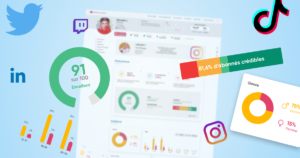
By using professional tools like Influence4You (integrated with HypeAuditor), you can instantly analyze the quality of an audience and identify cheating behaviors before you invest. In short: with the right tools, the risk of fraud is virtually eliminated.
Would you like me to finish this guide with the final section on “Scaling and Industrializing Your Campaigns” so you can help your readers save time and money?
How to Scale Your Campaign Without Losing Time
Communicating with micro-influencers is incredibly time-consuming. Between selecting the right profiles, sending briefs, negotiating content, shipping products, follow-ups, and final reporting, the hours add up fast.
If you manage this manually, your campaign costs will skyrocket due to human resources, making the operation less profitable. To stay competitive, workflow automation is key. Using an influencer marketing management tool allows you to industrialize your “word-of-mouth” strategy, turning a manual process into a streamlined engine.
Ready to launch?
Should You Pay Micro-Influencers?
If you have no tangible value to offer (like a free product or a cool experience), then yes, compensation is required. For example, if you sell €2 candy bars, a single pack won’t entice a creator. However, offering a “one-year supply” or an exclusive brand experience changes the dynamic.
Most advertisers have valuable products to offer, meaning direct monetary payment is often unnecessary for micro-influencers, provided the value exchange is fair.
Mandatory Disclosure: Legal Requirements
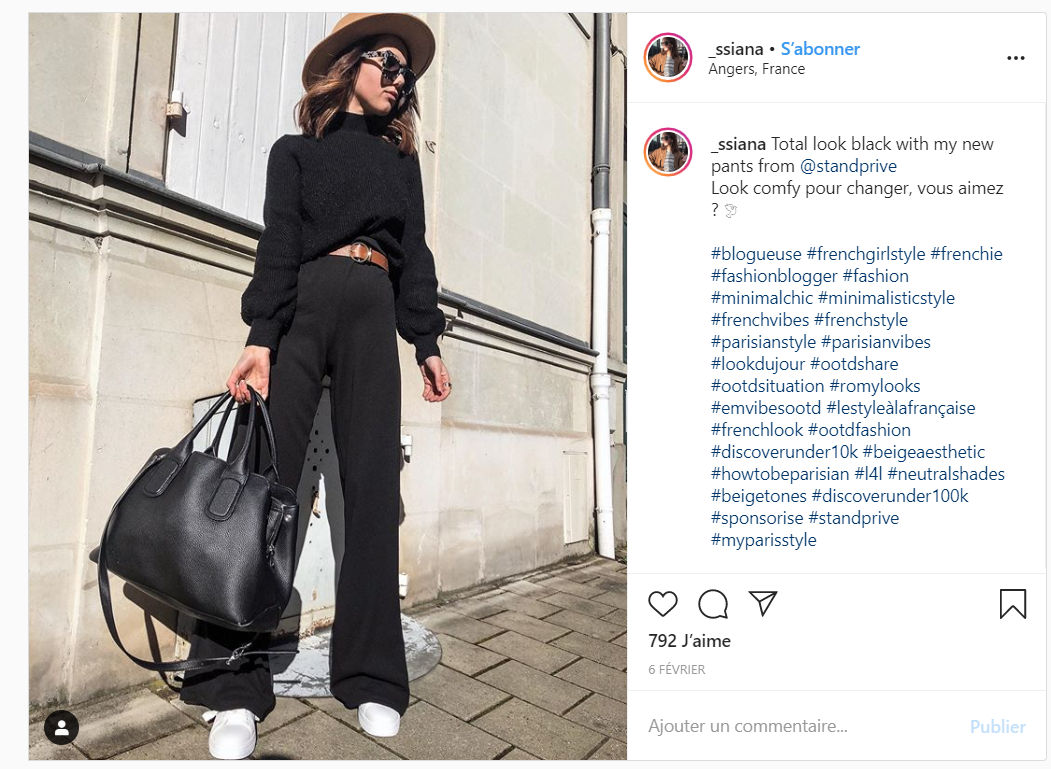
The rule is simple: if you ask an influencer to follow a brief in exchange for payment or a free product, they must disclose the partnership immediately and clearly.
- Use built-in platform tools to display “Paid Partnership” or “Commercial Collaboration” directly on the post or throughout the video.
- As of June 2023, simple hashtags like #ad or #sponsored are no longer sufficient under many jurisdictions (including the French Influence Law).
Reporting: Which KPIs Should You Track?
Your metrics should align directly with your initial goals:
- Awareness: Track Views and Reach (the number of unique followers potentially touched).
- Affinity: Track the Engagement Rate (likes, comments, saves).
- Conversion: Track Website Traffic or Sales via unique tracking links or promo codes.
- Global Impact: Measure your Earned Media Value (EMV) to understand the total advertising value of the exposure generated.
Content Rights and Usage
A major advantage of micro-influence is the ability to acquire Usage Rights. This allows you to repurpose high-performing creator content for your brand’s Social Ads or official feeds. Always ensure you have an explicit agreement from the creator and provide dedicated compensation for these rights to avoid legal pitfalls.
Summary: Key Takeaways
In the world of micro-influence, it all comes down to the right tools. With a professional platform, you can run efficient, high-impact campaigns without the administrative headache. If you want to capture the attention of the 15–35 demographic—who have largely abandoned traditional TV—influencer marketing is your most powerful lever.
